

Bearded Iris
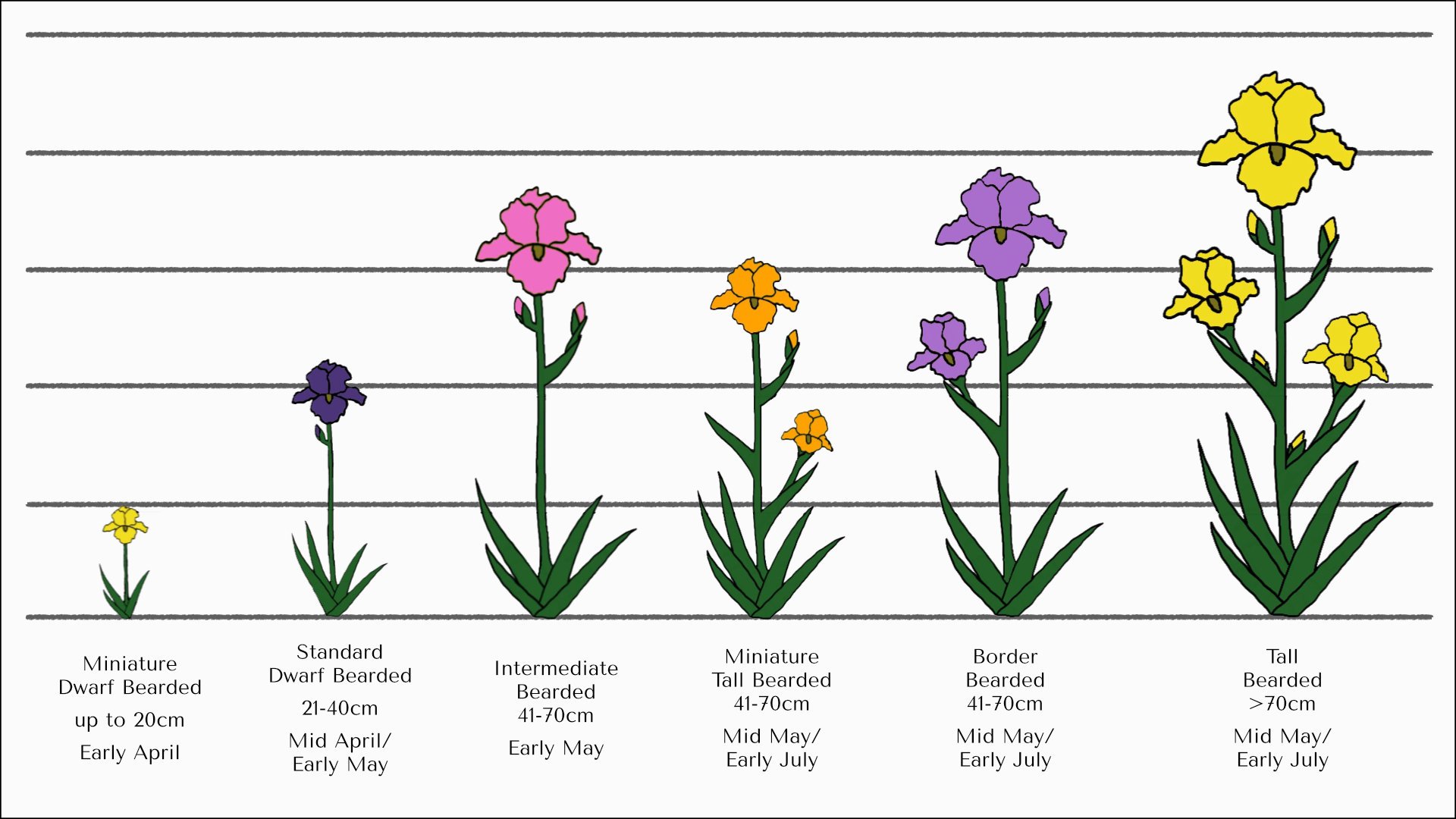
Bearded iris come in all sorts of shapes and sizes.
To help you pick the variety that’s perfect for your garden, we’ve put together a guide to all the different classes of iris.
Miniature Dwarf Bearded Iris
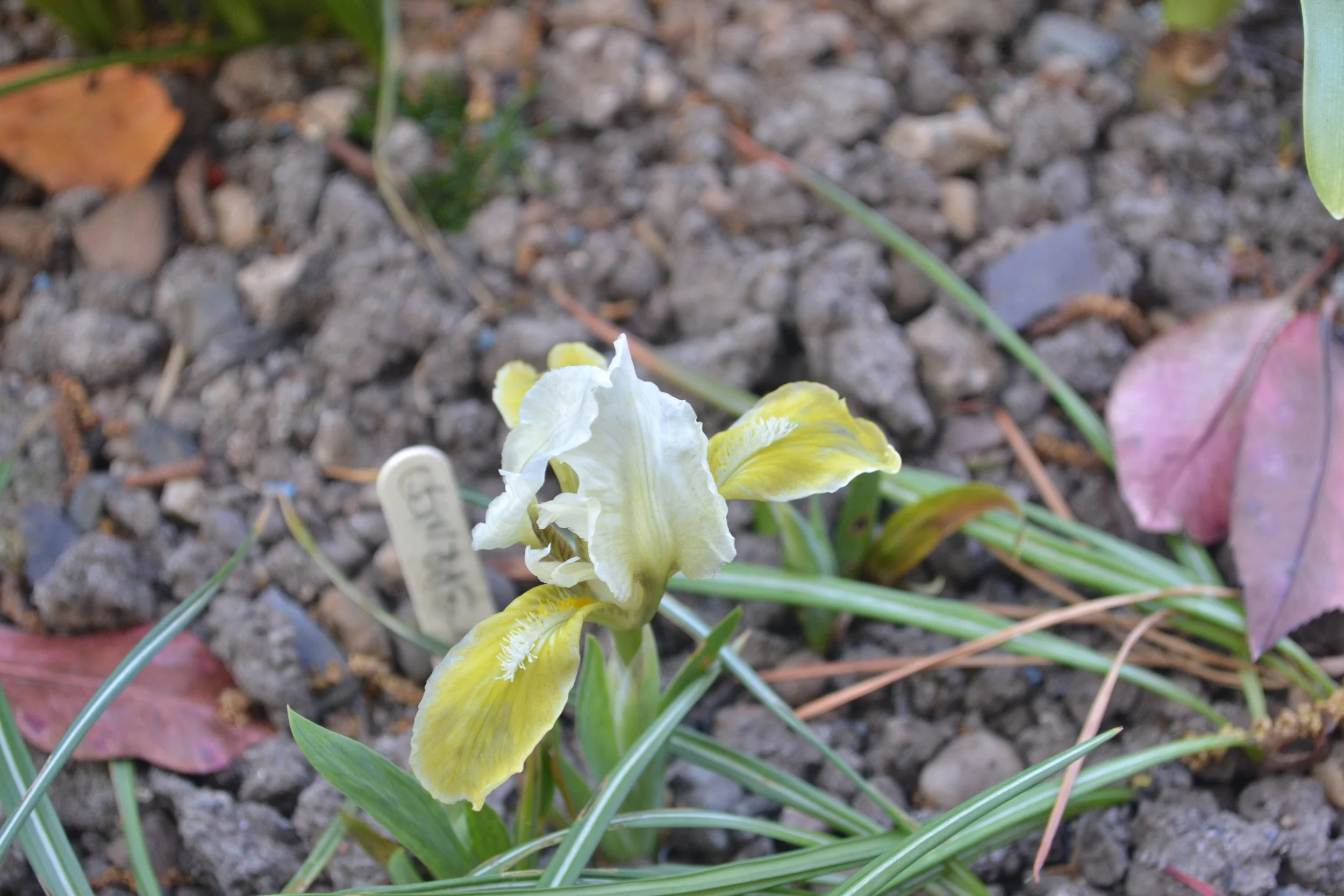
Bright Spring - Walter Welch R.1956
These are the smallest of the cultivated bearded iris, growing up to 8” (20cm). They are ideal for containers, alpine houses and rock gardens. MDB’s need very well-drained soil and, in wet winters, may need protection from severe wet weather. They are the first of the bearded cultivars to bloom in early spring.
Standard Dwarf Bearded Iris
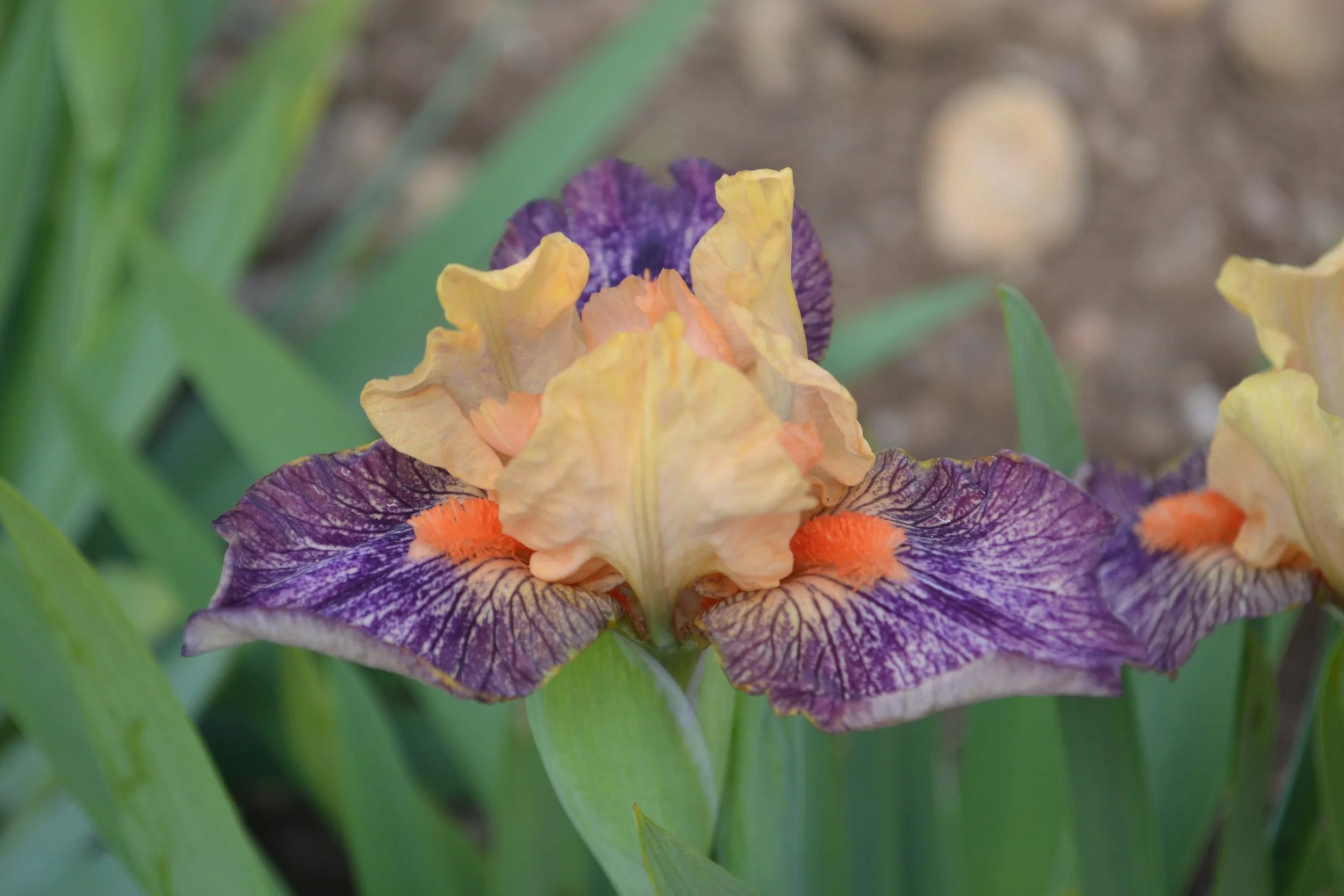
Martian - Marky Smith R.2013
This charming and compact group of bearded iris grow well in a sunny well drained position, increasing each year to make nice clumps with many spikes of flowers, in a vast range of colours and patterns. They are ideal for the front of a border, rock and gravel gardens, or even in containers. They range in height from 8”-16” (20cm – 40cm). Flowering season is Early spring (April-May) and being one of the first bearded iris to bloom makes them ideal as a start to succession planting of iris.
Recent hybridising work has now produced flowering spikes with an increased number of flowers; some now have branching, giving them even more flowers and a longer bloom season. It is so surprising that such a beautiful plant is not usually found in garden centres. These gems of early spring are valuable food plants for bees and other insects
I find that they need splitting every 3 – 4 years to maintain good growth and flowering habit.
Intermediate Bearded Iris
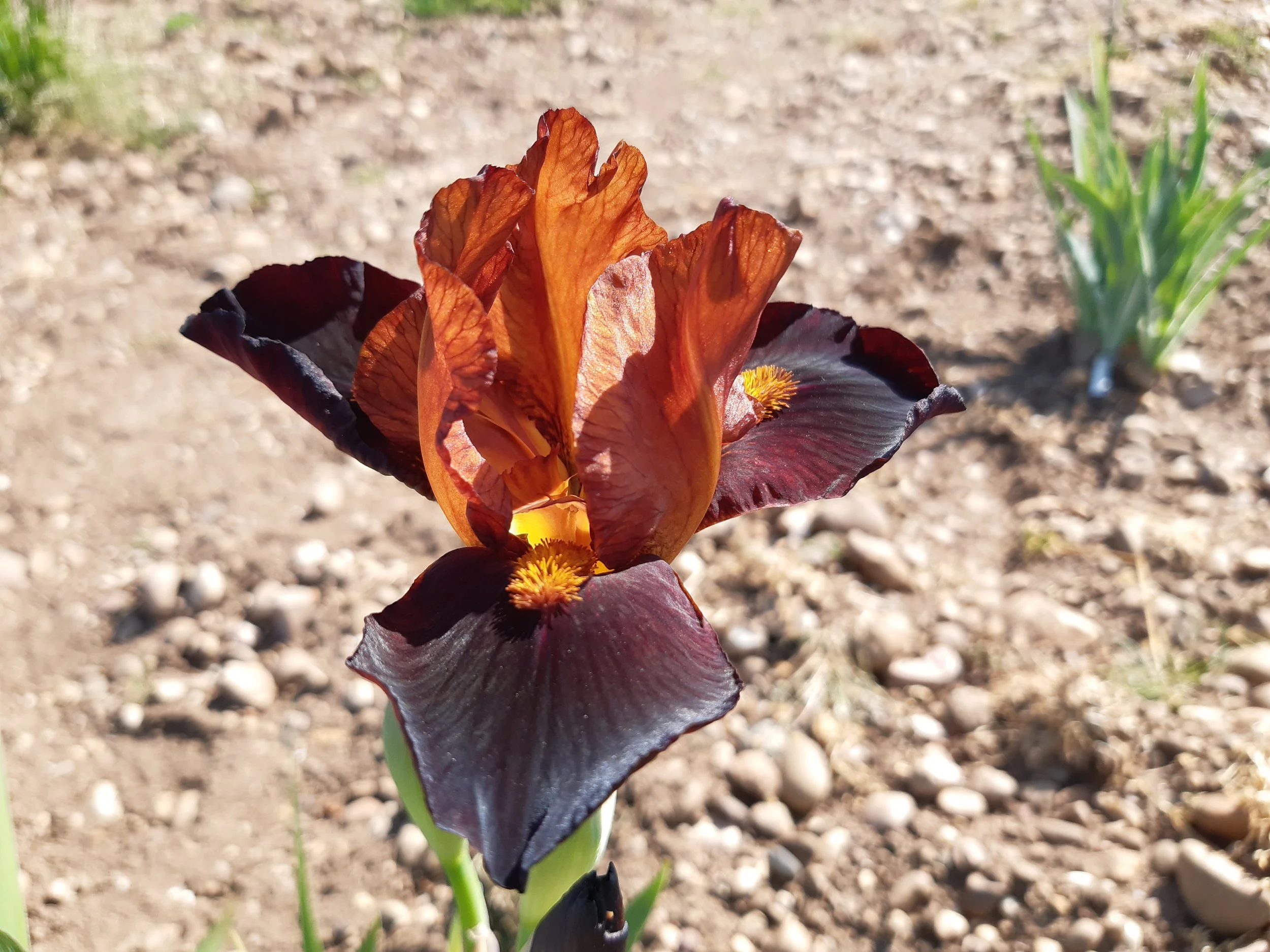
Brandy Snap- Olga Wells R.2015
Originally bred by crossing Dwarf and Tall bearded iris, these Median-height plants fill the flowering gap between dwarfs and tall bearded. Standing at 16” – 27 ½ “ (40cm – 70cm) in height, they produce flowers that are in proportion to their height. Although they generally have less individual flowers than the tall bearded, they make up for it with good sized clumps with lots of spikes. Intermediates bloom at the end of the Dwarf season and continue until Mid-May when the tall bearded start. Their shorter height makes them ideal for those windier areas where taller varieties can be damaged by poor weather conditions. As with all the bearded iris, there is some really interesting hybridising work being done on this class of iris.
Split every 3 – 5 years to maintain good growth and flowering habit.
Miniature Tall Bearded Iris
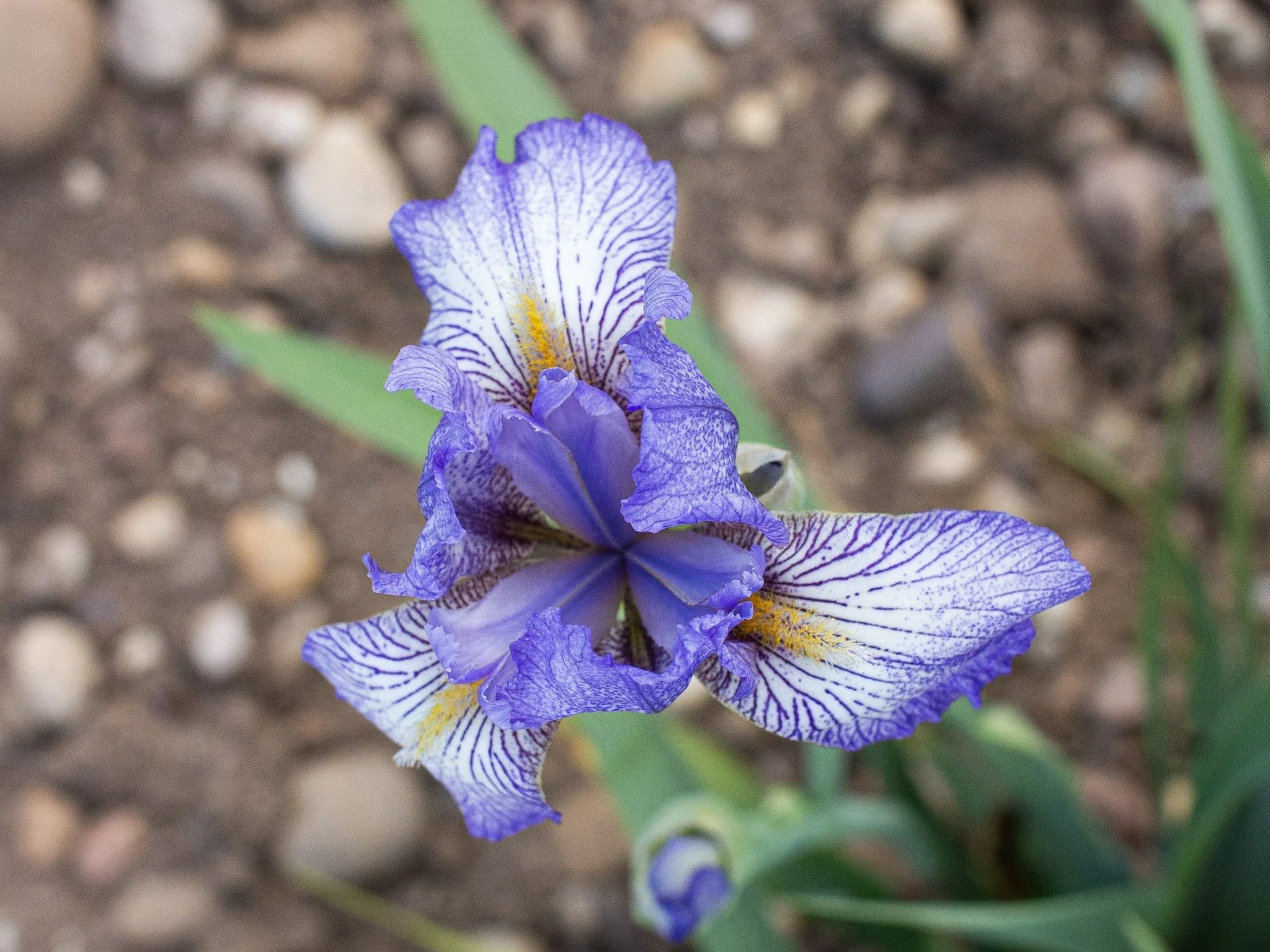
Garden Standout - Kenneth Fisher R.2016
These are my absolute favourite of the bearded iris. They are virtually unknown in the UK, with only a few iris enthusiasts growing them. You won’t find them in your local garden centre. I first came across them in an American Iris Society bulletin. Since then, I have imported many varieties from the USA and the Netherlands. They very quickly form good-sized clumps and are very floriferous, with masses of smaller flowers on wiry stems. The flowers come in a vast range of colours and many have bold patterning, making them really stand out in the garden. Whilst they may be delicate looking, they are extremely tough. Miniature tall bearded iris make good cut flowers and in the USA, they were originally known as Table Iris.
As one of the Median-sized bearded iris they are also 16” – 27 ½ ” (40cm -70cm) in height meaning they are ideal for areas of poor weather conditions. In fact, during recent storms when my TB’s were badly damaged these withstood everything the weather could throw at them. They flower along with the tall bearded iris from Mid-May through June and into July, depending on the season. The rhizomes for this class of iris can be quite small but once they have roote,d they expand very quickly.
Due to their fast growth, they usually need dividing every 3 years to maintain their growth and flowering habit.
Border
Bearded Iris
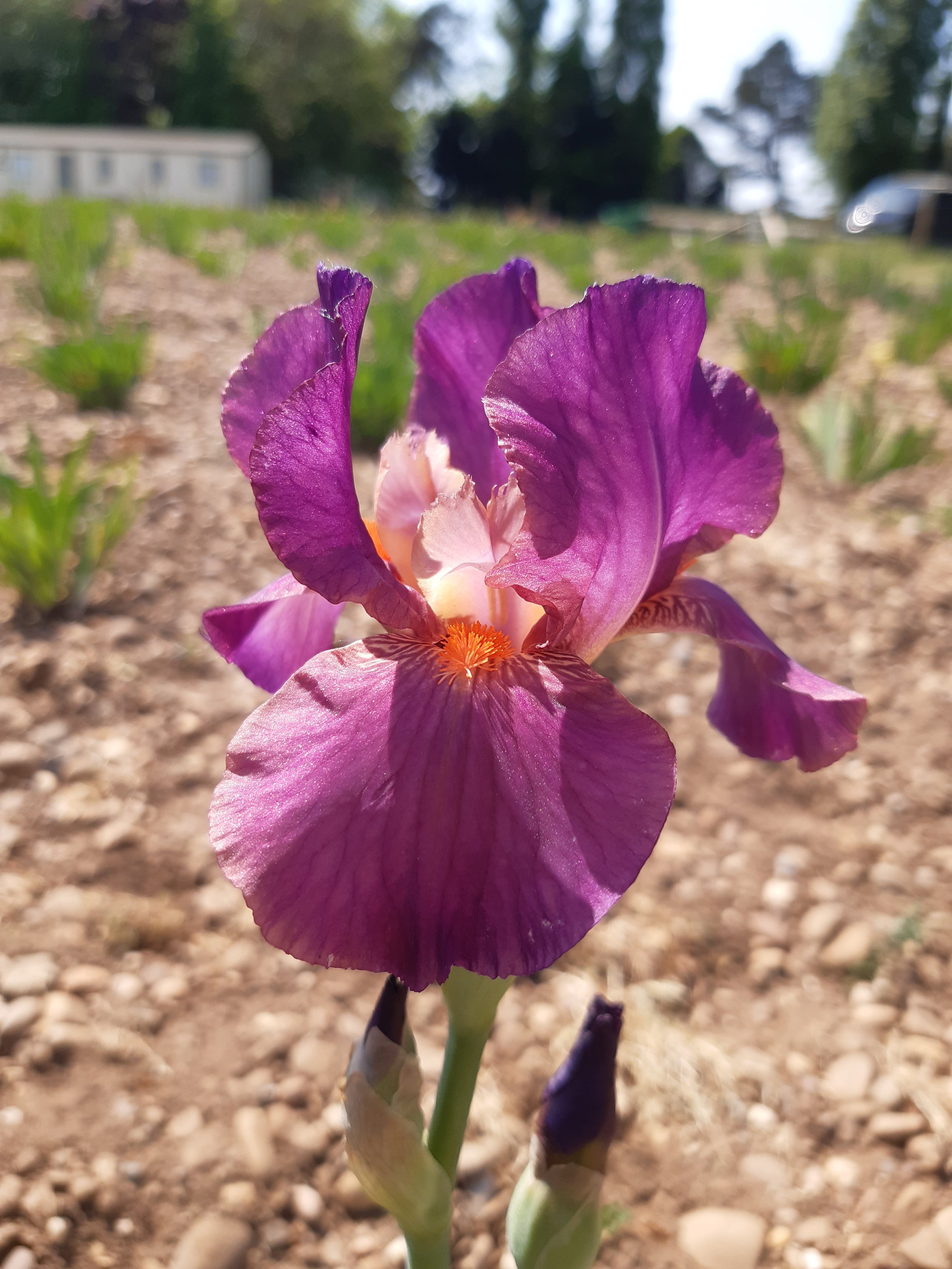
Border Bearded Iris are not that well known as a plant in the UK and not a regular plant in garden centres. This group of plants falls into the median classes of bearded iris having a height of 16” – 27 ½” (40cm – 70cm). They could be described as a shorter version of the tall bearded with every part of the plant in proportion, making them ideal for those windier areas where poor weather conditions can cause severe damage. A lot of hybridising work has been done in recent years, resulting in more quality cultivars. The border bearded iris bloom with the tall bearded from Mid-May through June and sometimes even into Jul,y depending on the season and conditions.
Border bearded iris need splitting every 3 – 5 years to maintain growth and flowering habit.
Merry Mulberry - Paul Black R.2019
Tall Bearded Iris
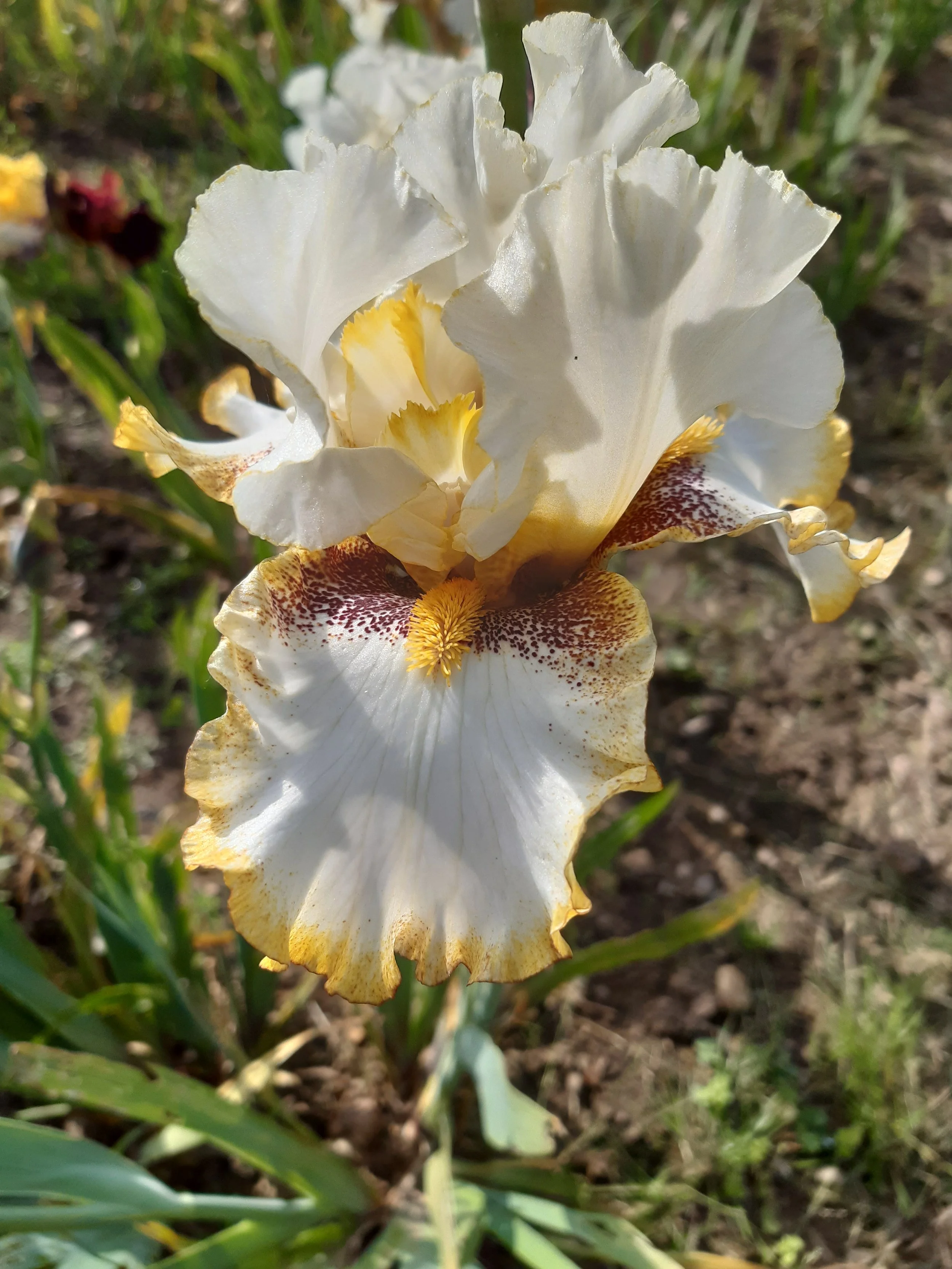
These are easily recognisable and readily available, although most garden centres only stock older varieties. They are the last of the Bearded iris to flower, starting in mid-May and continuing through June, sometimes even into July, depending on the season. As with the other classes, the Tall Bearded iris have been improved dramatically through hybridising work over the past years and there are new colours and patterns emerging. Bud count has also been improved in many cases, giving a longer bloom season. The height range is 27 ½ “ (70cm) upwards. Most, but not all of the plants found here are more modern cultivars. They have been selected for quality and good form.
Tall bearded iris need dividing every 3 -5 years to maintain good growth and flowering. As with all bearded iris, they need a sunny, well-drained position.
Arden Splendour- Jeremy Handy R.2024